

Welcome to our Academic Program Library! This collection offers engaging reading materials designed to support students at varying reading levels. It is designed to foster meaningful, confident reading experiences during tutoring sessions.
Tips for reading with your student:
- Each of these stories should be read over at least 2 tutoring sessions. Look through the activities included below for ideas about what to talk about before, during, and after reading each story.
- It is ok for you to read out loud to your student.
- Ask questions and encourage conversation as you read, there is no need to just stick to the text. Have fun with it in whatever way you choose!
The stories below are ordered from easiest to most challenging text throughout. Refer to the email you received with your student’s assessment results to find their Lexile score. The stories that are appropriate for your student’s assessed level of comprehension can be anywhere from 100 less to 100 more than their Lexile score. This means that you will need to support your student more in reading some of these stories than others.
For example:
Student A has a Lexile score of 580. Tutor A should open the drop-down menu labeled 500-700. Student A can be expected to read the stories listed towards the top fairly independently (such as “Fast and Faster”), need some tutor support for the majority of the stories, and need the tutor to read much of the text in the stories listed at the end, such as “Lost Cities” and “Turtle Tom”.
Student B has a Lexile score of 720. Tutor B can open the drop-down menu labeled 700-900 and choose the stories listed towards the top, such as “The Force of Water”, for practice reading out loud together. Tutor B can also open the drop-down menu labeled 500-700 to find stories that their student can try to read independently.



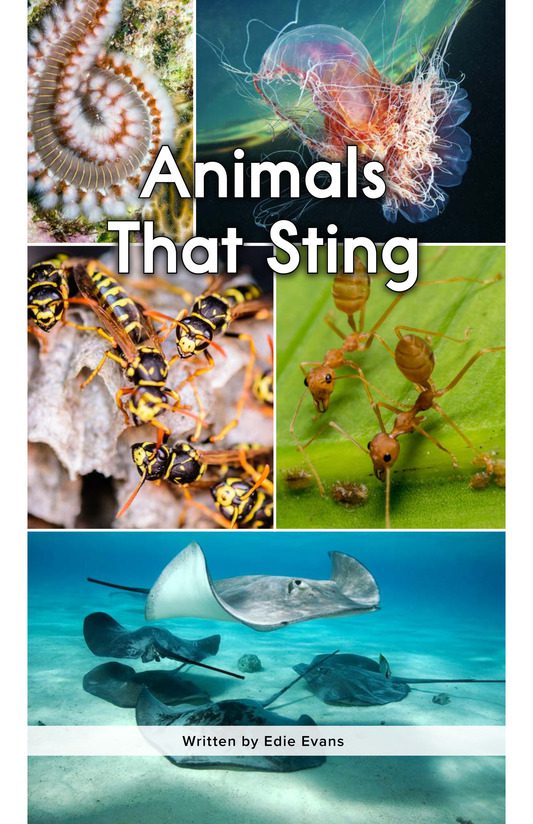

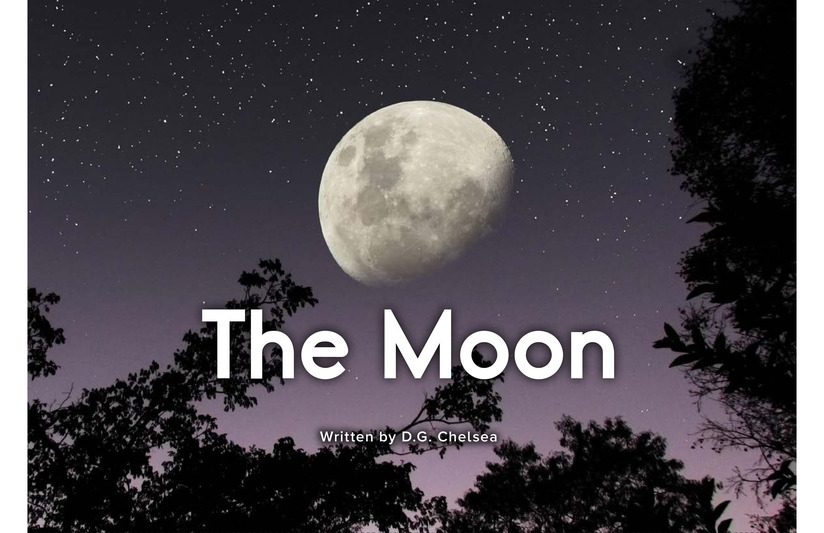


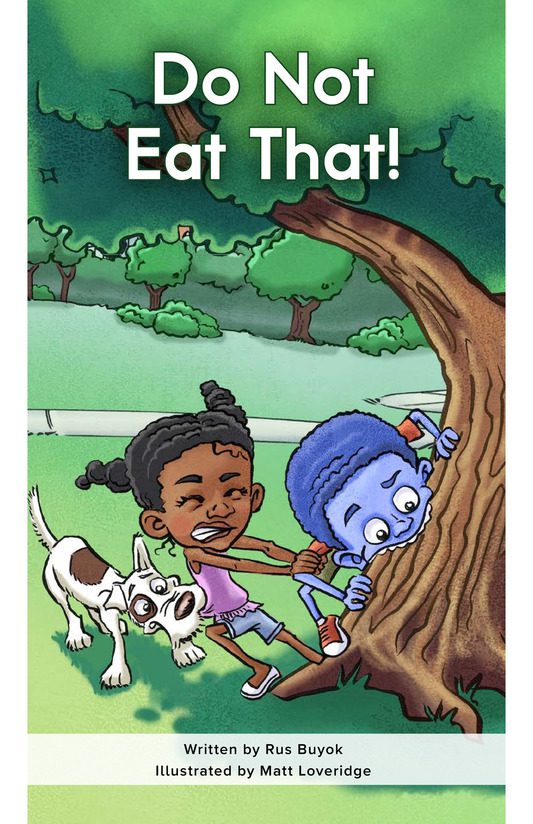

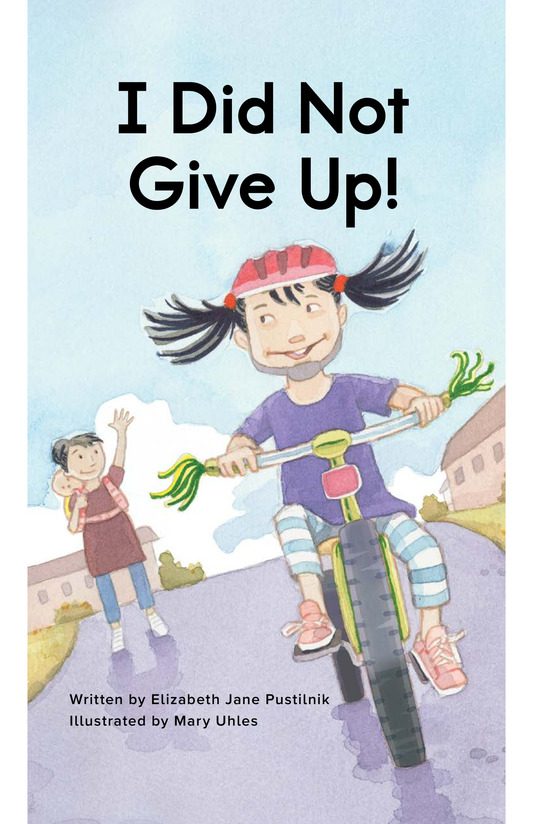

















































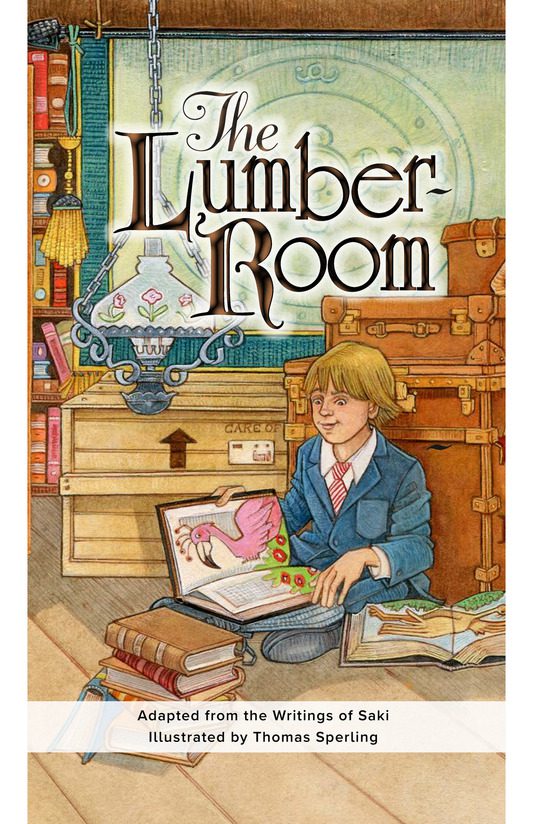

Students in the 1300+ Lexile band are confident, fluent readers. They can read independently with strong accuracy, expression, and comprehension. These students are able to tackle a wide range of texts, including complex chapter books and novels, and can engage with both fiction and non-fiction materials across genres. You and your student are free to select any age-appropriate materials to read together.
Sign up for a San Bernardino library card to expand your virtual bookshelf and get access to more ELA resources. Congratulations on your strong reading skills!
Try the following tips and activities for further enrichment:


Additional resources:
- Click here for a customizable session outline (pdf).
- Visit our Literacy Program website.
- Visit the Literacy Program FAQs.
- If you need additional materials, email us at literacy@schoolonwheels.org.